Custom Molded Cases
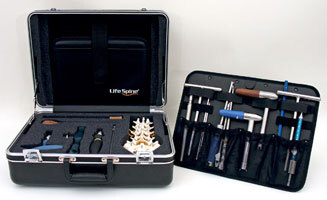
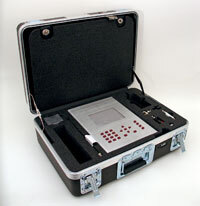
When Platt Cases builds a custom molded case, the process starts with an existing mold — not a blank sheet of paper. The mold already exists. The shell geometry, wall structure, and dimensional footprint are established. What Platt customizes is everything inside and on top of that shell: the foam, the cutouts, the hardware, the branding, and the finish.
This is how the overwhelming majority of custom molded case programs work, and it is why the lead times, minimum quantities, and cost structures are fundamentally different from ground-up tooling programs. Buyers get a production-proven shell geometry with a customized interior and exterior — without the tooling investment, design engineering cycle, or first-article validation timeline that new mold development requires.
Platt Cases maintains a range of vacuum-formed, roto-molded, blow-molded, and injection-molded shell sizes available for customization. If the equipment fits an existing mold footprint, the program can move from specification to first production quickly and without a tooling commitment.
Related: Custom Foam Inserts | Contact Platt Cases
What "Custom Molded Case" Actually Means
The term custom molded case covers a spectrum of programs. At one end is a ground-up tooling program where a new mold is designed, cut, and validated for a specific case geometry. At the other end — and far more common — is a customization program built on an existing mold where the shell is already proven, and the customization work happens to the interior, the exterior finish, and the branding.
Platt Cases operates primarily in the second category. New molds can be developed, but there are hundreds of existing mold sizes already available. For smaller volume runs with specific dimensional requirements, we recommend our Guardsman line of ATA shipping cases. Here is what customization means in practice for a standard Platt program:
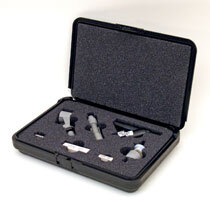
| Foam insert | Waterjet-cut foam engineered to the specific equipment list — polyethylene, polyurethane, or ESD-safe foam with precision cavities for each item |
| Cutouts and organization | Interior layout designed around the equipment: individual cavities, accessory compartments, lid padding, and tool organization trays |
| Color specification | Shell color selected from available stock colors or custom-compounded to a specified Pantone match (subject to minimum volume requirements) |
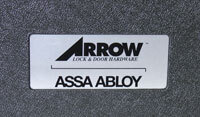
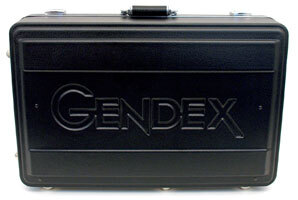
| Exterior branding | Screened logos, engraved nameplates, and adhesive labels applied to the existing shell geometry |
| Hardware selection | Latch style, handle type, lock hardware, and accessory components selected from available hardware options and installed on the shell |
| Interior trays | Plastic and/or foam trays installed inside the existing shell for programs requiring rigid internal organization |
Selecting the Right Existing Shell
The first step in a custom molded case program at Platt Cases is matching the equipment to an existing case. Case selection is driven by interior dimensions, carrying configuration, environmental sealing requirements, and the deployment context.
Platt Cases works with buyers to identify the right shell from available inventory based on:
- Interior dimensions — the shell must accommodate the equipment with enough clearance for the foam insert to provide adequate cushioning on all sides
- Load capacity — the shell must handle the combined weight of the equipment and foam insert without structural deflection at the latch and hinge interfaces
- Environmental requirement — gasket-sealed shells with IP-rated closures are available for programs requiring dust and water ingress protection
- Carry configuration — wheeled cases and handled cases are available in different size ranges
- Stackability — shells with integrated stacking geometry are specified for programs that require pallet shipping or rack storage
When no existing case fits the equipment footprint, Platt Cases can discuss tooling options — but that is the exception, not the standard program. Most equipment fits within the available case range with appropriate foam design.
Custom Foam Inserts: The Core of Case Customization
The foam insert is where most of the engineering work happens in a custom molded case program. The shell provides the outer structure — the foam insert provides the protection. A foam insert that does not fit the equipment precisely, that uses the wrong foam density for the weight and drop specification, or that allows equipment movement under vibration will fail to protect regardless of how well the shell performs.
Foam Types and Selection
| Foam Type | Best Application |
|---|---|
| Polyethylene (PE) foam | Firm, closed-cell foam — resists compression set, holds cavity geometry over time; the standard for industrial and field service programs |
| Polyurethane (PU) foam | Softer open-cell foam — higher cushioning for shock-sensitive equipment; used in precision instrument and electronics programs |
| ESD-safe foam | Static-dissipative foam for programs involving PCBs, sensors, and assemblies with exposed conductors; required for electronics programs |
| Convoluted foam | Egg-crate profile foam for lid padding and general cushioning; prevents equipment from contacting the lid shell during impact |
| Hybrid foam builds | Layered combinations — firm PE base with PU top layer, or foam base with formed plastic dividers for programs with mixed contents |
Foam Insert Design Process
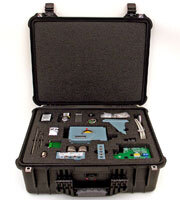
Custom foam inserts for Platt Cases programs are waterjet-cut to the approved equipment layout. The design process follows the equipment dimensions, not a standard template:
- Equipment dimensions are provided by the buyer or measured from actual samples
- Cavity geometry is designed with material-specific tolerances — foam pocket dimensions account for the compression characteristics of the selected foam type
- The layout is reviewed against the interior shell dimensions to confirm fit before cutting
- First-cut inserts are validated against actual equipment before production quantities are cut
- Approved layouts are filed for reorder — replacement foam inserts for a production program can be recut to the same specification without re-engineering
See also: Custom Foam Inserts
Exterior Customization and Branding
The exterior of a custom molded case built on an existing shell can be customized in several ways without modifying the mold geometry. Branding, color, and identification options are applied to the existing shell surface.
Color Options
- Stock colors: shells are available in standard colors — black, gray, and others depending on the mold
- Custom color compounding: resin can be compounded to a specified Pantone-adjacent color for programs with brand color requirements; minimum volume requirements apply
Branding and Identification
- Screening: logos, model numbers, warning labels, and regulatory markings applied to flat exterior surfaces
- Adhesive labels and overlays: durable exterior labels for identification, compliance markings, and serial numbers
- Engraved nameplates: metal nameplates attached to the shell exterior for programs requiring a permanent, damage-resistant identification
- In-mold branding: for Platt vacuum-formed cases, customer branding can be molded directly into the case shell
Hardware Selection and Configuration
Hardware is selected from available options for each shell size and configured to the program requirements. Latch type, lock hardware, handle configuration, and wheel assembly options vary by shell size and carrying requirement.
| Hardware Category | Standard Options | Program Considerations |
|---|---|---|
| Latches | Spring butterfly latches, over-center latches, draw latches | Load rating matched to case size and closure force; stainless or polymer |
| Locks | Padlock hasps, keyed cylinders, TSA-compliant ports | Chain-of-custody, air transport, and tamper-evidence programs |
| Handles | Pull handles, grab handles, recessed handles | Load rating matched to filled case weight; aluminum or polymer |
| Wheels | In-line wheel systems for transit cases | Available on select larger shell sizes |
| Pressure valves | Automatic purge valves | Specified for air freight and altitude-change programs |
Applications by Industry
Custom molded cases built on existing shells serve the same broad application range as ground-up molded programs — the difference is in the economics and timeline, not the end use.
Industrial and Field Service
Industrial programs typically specify blow-molded shells in black or olive with stainless hardware, gasket seals, and PE foam inserts. The existing mold range covers the most common field equipment footprints — test instruments, handheld devices, calibration equipment, and multi-component kits.
Medical and Life Sciences
Medical programs require cleanable interiors and documented material specifications. Existing shells in polypropylene or ABS provide the chemical resistance needed for disinfectant wipe-down. Foam insert design for medical programs accounts for accessibility — instrument trays and foam layouts that allow one-handed equipment removal are standard for clinical deployment programs.
Electronics and Test Equipment
Electronics programs drive the highest precision requirements in foam insert design. Equipment pockets must prevent movement under vibration and shock loads, and ESD-safe foam is required for assemblies with exposed conductors. Pressure equalization valves are specified for programs involving air freight.
OEM Product and Kit Programs
OEM programs use the custom molded case as the product delivery packaging and long-term storage solution. Branding and foam inserts designed to the first-open unboxing experience are standard elements of OEM case programs built on existing cases.
How a Custom Molded Case Program Works at Platt Cases
A standard Platt Cases custom molded case program follows a defined sequence from shell selection through production. The timeline is significantly shorter than a ground-up tooling program because the mold already exists.
When a New Mold Is Required
Platt Cases will discuss new mold programs when the existing shell range does not fit the equipment and no existing geometry is close enough to serve as a baseline. New mold programs are appropriate when:
- The equipment dimensions fall outside the range of available molds and foam design cannot bridge the gap
- The program requires exterior geometry — corner features, mounting rails, lid geometry, or stacking interfaces — that does not exist on any available shell
- The program volume and lifecycle justify the tooling investment and the longer development timeline
New mold programs involve tooling design and engineering, mold fabrication, first-article validation, and a tooling investment that is amortized over the production run. These programs are managed as long-term manufacturing partnerships with defined design freeze points and written first-article approval before production quantities are authorized.
For most buyers, the first conversation at Platt Cases will determine whether an existing shell fits the requirement — and most of the time, it does. For smaller volume runs with specific dimensional requirements, we recommend our Guardsman line of ATA shipping cases.
Why Platt Cases for Custom Molded Case Programs
Platt Cases manages custom case programs that combine molded shell selection, foam insert design, hardware configuration, and branding in a single program. The combination means buyers work with one source from specification through reorder — no separate foam vendor, no separate hardware supplier, no separate branding house.
- Existing mold inventory: shell sizes covering the most common equipment footprints in industrial, medical, electronics, and OEM program categories
- In-house foam design and cutting: waterjet-cut foam inserts are designed and manufactured alongside the shell selection — fit validation is conducted before production quantities are committed
- Complete exterior customization: color selection, hardware configuration, and branding applied through a single program management process
- Reorder program support: approved specifications archived for the life of the program — replacement cases, replacement inserts, and program updates handled without re-qualification
- Ground-up tooling capability: for programs that genuinely require a new mold, Platt Cases manages the complete program from design through production
Request a Quote for Custom Molded Cases
Ready to get started?
Platt Cases works with OEMs, industrial buyers, and product teams to select the right existing shell, design the foam insert, and configure the hardware and branding for a complete custom molded case program. Bring the equipment dimensions and program requirements — Platt Cases will identify the right shell and build the program from there.
- Equipment or contents — what the case must protect, with dimensions and weight
- Use environment — field, shipping, lab, medical, or regulated transport
- Protection requirements — IP rating, drop spec, stackability, lock or tamper-evidence needs
- Quantity — initial order and anticipated annual volume
- Branding and identification requirements, if applicable